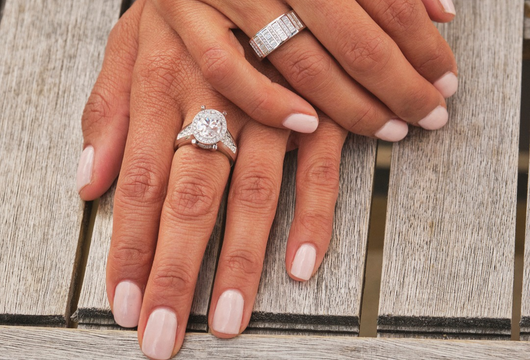
Diamonds have long symbolized luxury, love, and timeless elegance. Traditionally, these precious stones came from deep within the earth, formed over millions of years. However, recent advancements in technology have revolutionized the jewelry industry, giving rise to lab grown diamonds. These meticulously crafted stones offer a sustainable and cost-effective alternative without compromising on beauty or quality. Among the most sought-after options in this category are diamantes de laboratorio sueltos, or loose laboratory-created diamonds.
What Are Loose Lab Grown Diamonds?
Loose lab grown diamonds are individual stones that have not yet been set into jewelry. This gives buyers the freedom to choose the perfect shape, size, and clarity for custom creations. Unlike mined diamonds, which can have variable qualities due to natural conditions, lab-grown diamonds are cultivated in controlled environments. This ensures consistent quality and remarkable precision in cut, color, and clarity.
The appeal of loose diamonds lies in their versatility. Whether for engagement rings, earrings, or bespoke pieces, selecting a loose diamond allows the jeweler or buyer to design a piece tailored to their vision. In the past, customers often had to settle for pre-set jewelry with limited options, but today, loose lab grown diamonds provide unprecedented creative freedom.
The Science Behind Lab Grown Diamonds
Lab grown diamonds are chemically, physically, and optically identical to their natural counterparts. They are created using advanced methods such as High Pressure High Temperature (HPHT) and Chemical Vapor Deposition (CVD). In the HPHT method, a carbon source is subjected to intense pressure and temperature, mimicking the natural diamond formation process. CVD, on the other hand, grows diamonds layer by layer using carbon-rich gas in a controlled chamber.
These technological processes allow for the creation of diamonds that can be virtually indistinguishable from mined stones, even to the trained eye. What sets them apart is their origin. By avoiding mining, lab grown diamonds offer a more sustainable alternative, reducing the environmental impact associated with traditional diamond extraction.
Benefits of Choosing Loose Lab Grown Diamonds
One of the primary advantages of purchasing loose lab grown diamonds is cost-effectiveness. Because they do not require large-scale mining operations, these diamonds are often priced significantly lower than comparable natural stones. This makes it possible to acquire larger or higher-quality diamonds without exceeding your budget.
Another key benefit is transparency. Lab grown diamonds come with certification detailing their characteristics, including carat weight, color grade, clarity, and cut. Buyers can make informed decisions and be confident in the authenticity and quality of their purchase.
Additionally, sustainability is a major factor driving the popularity of these stones. Mining natural diamonds can have severe ecological and social consequences, including deforestation, soil erosion, and human rights concerns. By contrast, diamonds grown in laboratories minimize these issues, making them a more ethical choice for conscious consumers.
Choosing the Right Loose Diamond
When selecting loose lab grown diamonds, several factors should guide your decision. The classic “Four Cs”—cut, clarity, color, and carat weight—remain critical.
-
Cut: Determines how the diamond reflects light, impacting its brilliance and sparkle.
-
Clarity: Refers to internal and external imperfections, with higher clarity diamonds having fewer inclusions.
-
Color: Diamonds range from colorless to faint hues; lab-grown stones often achieve near-perfect color grades.
-
Carat Weight: Larger diamonds are rarer and typically more expensive, but lab-grown options allow more flexibility in size.
It’s also essential to consider the certification provided. Reputable labs issue documentation verifying that the stone is laboratory-created, along with detailed information about its physical attributes.
Trends in Loose Lab Grown Diamonds
The demand for diamantes de laboratorio sueltos has surged in recent years. Millennials and Gen Z consumers, in particular, are drawn to the ethical and sustainable aspects of lab-grown diamonds. Many couples now prefer these stones for engagement rings, viewing them as a reflection of personal values as much as style.
Moreover, designers and jewelers are increasingly embracing lab-grown diamonds due to their predictability and quality. Loose diamonds allow for unique, customized pieces that are difficult to achieve with mined stones, particularly in rare sizes or colors. From classic solitaires to modern, avant-garde designs, lab-grown diamonds offer limitless creative possibilities.
Conclusion
Loose lab grown diamonds represent a fascinating shift in the world of fine jewelry. They combine the beauty and durability of natural diamonds with sustainability, ethical sourcing, and cost advantages. Whether you are a jeweler crafting bespoke pieces or an individual seeking the perfect engagement ring, lab grown diamonds provide both freedom and quality.
As technology continues to advance, these laboratory-created gems are likely to become even more accessible and desirable. Choosing loose diamonds grown in the lab allows for personalization, conscious consumerism, and a touch of modern innovation—all while retaining the timeless elegance that diamonds have always symbolized.